package util

import (
    "crypto/tls"
    "encoding/base64"
    "fmt"
    "net/smtp"
    "strings"
    "time"

    "go.uber.org/zap"
)

// AlertType defines the severity level of alerts
type AlertType string

const (
    INFO     AlertType = "INFO"
    WARNING  AlertType = "WARNING"
    ERROR    AlertType = "ERROR"
    CRITICAL AlertType = "CRITICAL"
)

// SMTPConfig holds SMTP server configuration
type SMTPConfig struct {
    Server   string
    Port     int
    UseTLS   bool // Use TLS direct connection (port 465)
    Username string
    Password string
}

// EmailAlert is the main email alert service
type EmailAlert struct {
    config SMTPConfig
    enable bool
    logger *zap.Logger
}

// NewEmailAlert creates a new email alert service
func NewEmailAlert(alertEmail, password, provider string, enable bool) *EmailAlert {
    var config SMTPConfig

    switch strings.ToLower(provider) {
    case "gmail", "google":
        config = SMTPConfig{
            Server:   "smtp.gmail.com",
            Port:     587,
            UseTLS:   false, // Gmail uses STARTTLS on port 587
            Username: alertEmail,
            Password: password,
        }
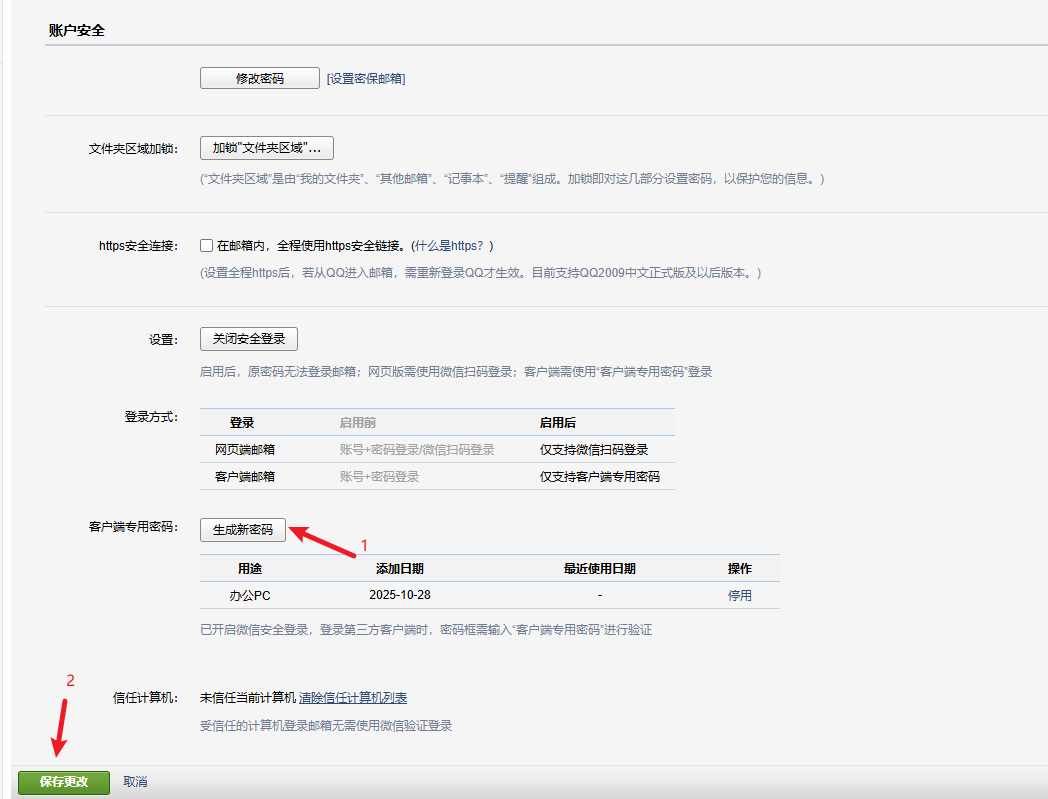
    case "qq":
        config = SMTPConfig{
            Server:   "smtp.qq.com",
            Port:     465,
            UseTLS:   true, // QQ mail uses direct TLS
            Username: alertEmail,
            Password: password,
        }
    default:
        // Default to Tencent Corporate Email
        config = SMTPConfig{
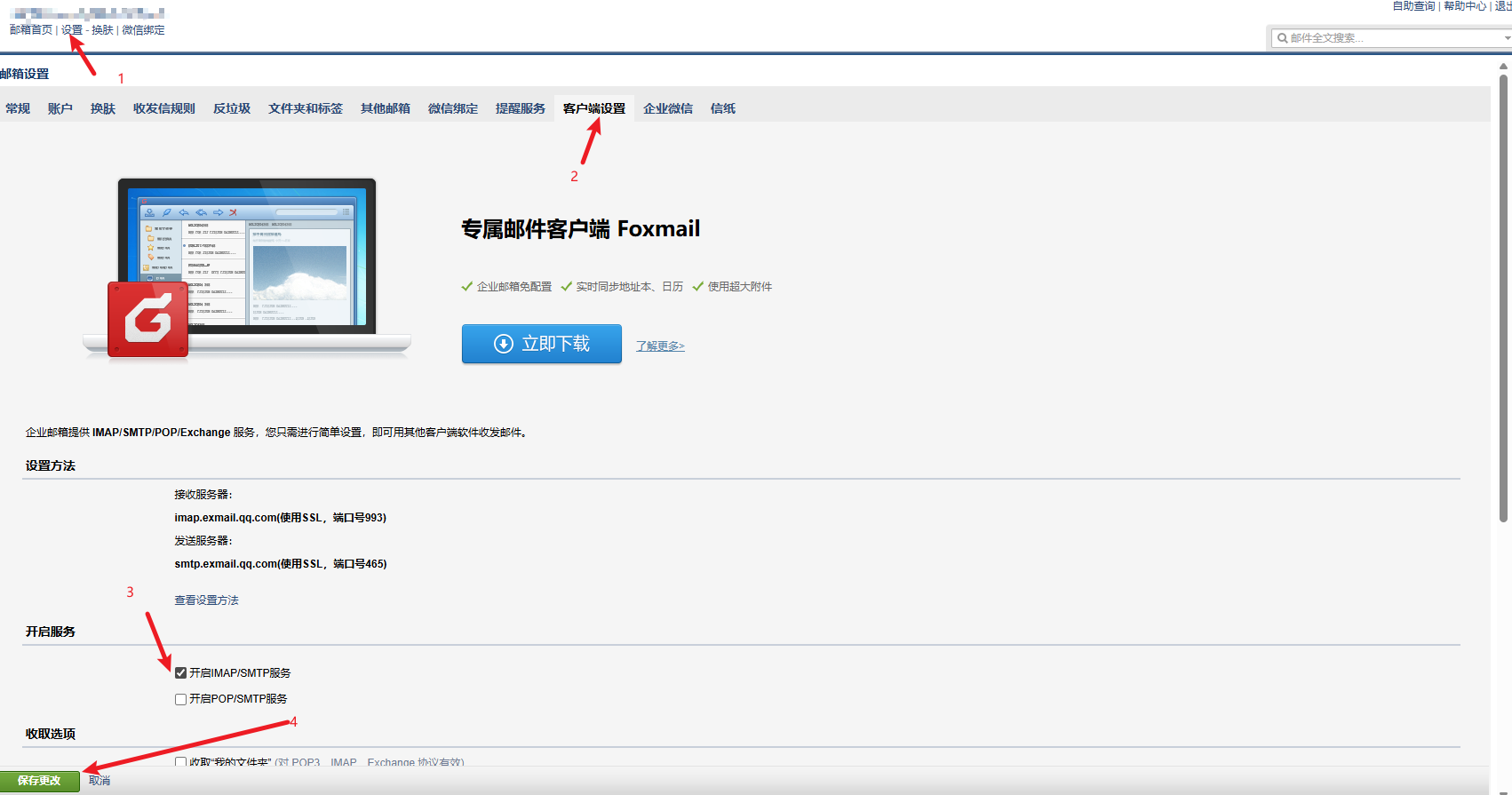
            Server:   "smtp.exmail.qq.com",
            Port:     465,
            UseTLS:   true,
            Username: alertEmail,
            Password: password,
        }
    }

    logger, _ := zap.NewProduction()
    return &EmailAlert{
        config: config,
        enable: enable,
        logger: logger.Named("EmailAlert"),
    }
}

// SendAlert sends an alert email with specified type
func (e *EmailAlert) SendAlert(recipients []string, subject, body string, alertType AlertType) error {
    if !e.enable {
        e.logger.Info("Email alerts are disabled, skipping...")
        return nil
    }

    message := e.buildMessage(recipients, subject, body, alertType)
    addr := fmt.Sprintf("%s:%d", e.config.Server, e.config.Port)

    var err error
    var client *smtp.Client

    // Establish connection based on TLS settings
    if e.config.UseTLS {
        // Direct TLS connection (port 465)
        tlsConfig := &tls.Config{
            InsecureSkipVerify: false,
            ServerName:         e.config.Server,
        }

        conn, err := tls.Dial("tcp", addr, tlsConfig)
        if err != nil {
            return fmt.Errorf("TLS connection failed: %v", err)
        }

        client, err = smtp.NewClient(conn, e.config.Server)
        if err != nil {
            return fmt.Errorf("failed to create SMTP client: %v", err)
        }
    } else {
        // Plain connection with STARTTLS (port 587)
        client, err = smtp.Dial(addr)
        if err != nil {
            return fmt.Errorf("failed to connect to SMTP server: %v", err)
        }

        // Upgrade to TLS using STARTTLS for Gmail
        if e.config.Server == "smtp.gmail.com" {
            tlsConfig := &tls.Config{
                InsecureSkipVerify: false,
                ServerName:         e.config.Server,
            }
            if err = client.StartTLS(tlsConfig); err != nil {
                client.Close()
                return fmt.Errorf("STARTTLS failed: %v", err)
            }
        }
    }

    defer client.Close()

    // Authenticate
    auth := smtp.PlainAuth("", e.config.Username, e.config.Password, e.config.Server)
    if err = client.Auth(auth); err != nil {
        return fmt.Errorf("SMTP authentication failed: %v", err)
    }

    // Set sender
    if err = client.Mail(e.config.Username); err != nil {
        return fmt.Errorf("failed to set sender: %v", err)
    }

    // Set recipients
    for _, recipient := range recipients {
        if err = client.Rcpt(recipient); err != nil {
            return fmt.Errorf("failed to set recipient %s: %v", recipient, err)
        }
    }

    // Send email content
    writer, err := client.Data()
    if err != nil {
        return fmt.Errorf("failed to send email content: %v", err)
    }

    _, err = writer.Write([]byte(message))
    if err != nil {
        return fmt.Errorf("failed to write message content: %v", err)
    }

    err = writer.Close()
    if err != nil {
        return fmt.Errorf("failed to complete email delivery: %v", err)
    }

    e.logger.Info("Alert email sent successfully",
        zap.String("type", string(alertType)),
        zap.Any("recipients", recipients))
    return nil
}

// encodeRFC2047 encodes a string using RFC 2047 for email headers
func (e *EmailAlert) encodeRFC2047(s string) string {
    // RFC 2047 format: =?UTF-8?B?<base64-encoded-text>?=
    return fmt.Sprintf("=?UTF-8?B?%s?=", base64.StdEncoding.EncodeToString([]byte(s)))
}

// buildMessage constructs the email message with HTML formatting
func (e *EmailAlert) buildMessage(recipients []string, subject, body string, alertType AlertType) string {
    timestamp := time.Now().Format("2006-01-02 15:04:05")

    // Add emoji prefix based on alert type
    var prefix string
    switch alertType {
    case INFO:
        prefix = "ℹ️ [INFO]"
    case WARNING:
        prefix = "⚠️ [WARNING]"
    case ERROR:
        prefix = "❌ [ERROR]"
    case CRITICAL:
        prefix = "🚨 [CRITICAL]"
    default:
        prefix = "📧 [NOTIFY]"
    }

    fullSubject := fmt.Sprintf("%s %s", prefix, subject)

    // Build HTML email body
    htmlBody := fmt.Sprintf(`
<!DOCTYPE html>
<html>
<head>
    <meta charset="UTF-8">
    <style>
        body {
            font-family: Arial, sans-serif;
            margin: 20px;
            background-color: #f5f5f5;
        }
        .container {
            max-width: 600px;
            margin: 0 auto;
            background-color: white;
            border-radius: 8px;
            overflow: hidden;
            box-shadow: 0 2px 4px rgba(0,0,0,0.1);
        }
        .header {
            background-color: %s;
            color: white;
            padding: 20px;
            text-align: center;
        }
        .header h2 {
            margin: 0;
            font-size: 24px;
        }
        .content {
            padding: 30px;
            border-left: 4px solid %s;
            background-color: #fafafa;
            margin: 20px;
            border-radius: 4px;
        }
        .info-row {
            margin: 10px 0;
            padding: 8px 0;
            border-bottom: 1px solid #eee;
        }
        .info-row:last-child {
            border-bottom: none;
        }
        .label {
            font-weight: bold;
            color: #555;
            display: inline-block;
            min-width: 100px;
        }
        .value {
            color: #333;
        }
        .timestamp {
            font-weight: bold;
            color: #333;
        }
        .message-content {
            margin-top: 20px;
            padding: 15px;
            background-color: white;
            border-radius: 4px;
            line-height: 1.6;
        }
        .footer {
            margin-top: 20px;
            padding: 20px;
            font-size: 12px;
            color: #666;
            text-align: center;
            background-color: #f9f9f9;
        }
        .footer p {
            margin: 5px 0;
        }
    </style>
</head>
<body>
    <div class="container">
        <div class="header">
            <h2>%s</h2>
        </div>
        <div class="content">
            <div class="info-row">
                <span class="label">Alert Time:</span>
                <span class="value timestamp">%s</span>
            </div>
            <div class="info-row">
                <span class="label">Alert Level:</span>
                <span class="value">%s</span>
            </div>
            <div class="message-content">
                %s
            </div>
        </div>
        <div class="footer">
            <p>⚙️ This is an automated system email, please do not reply directly</p>
            <p>If you have any questions, please contact your system administrator</p>
        </div>
    </div>
</body>
</html>`,
        e.getAlertColor(alertType),
        e.getAlertColor(alertType),
        fullSubject,
        timestamp,
        string(alertType),
        strings.ReplaceAll(body, "\n", "<br>"))

    // Build complete email message with required RFC5322 headers
    // Generate RFC5322 compliant date
    rfcDate := time.Now().Format(time.RFC1123Z)

    // Encode subject according to RFC2047
    encodedSubject := e.encodeRFC2047(fullSubject)

    message := fmt.Sprintf("From: %s\r\n"+
        "To: %s\r\n"+
        "Subject: %s\r\n"+
        "Date: %s\r\n"+
        "MIME-Version: 1.0\r\n"+
        "Content-Type: text/html; charset=UTF-8\r\n"+
        "\r\n"+
        "%s",
        e.config.Username,
        strings.Join(recipients, ", "),
        encodedSubject,
        rfcDate,
        htmlBody)

    return message
}

// getAlertColor returns the color code for each alert type
func (e *EmailAlert) getAlertColor(alertType AlertType) string {
    colors := map[AlertType]string{
        INFO:     "#17a2b8", // Light blue
        WARNING:  "#ffc107", // Yellow
        ERROR:    "#dc3545", // Red
        CRITICAL: "#6f42c1", // Purple
    }

    if color, exists := colors[alertType]; exists {
        return color
    }
    return "#6c757d" // Gray
}

// SendSystemAlert sends a system error alert
func (e *EmailAlert) SendSystemAlert(recipients []string, systemName, errorMsg string) error {
    if !e.enable {
        return nil
    }

    subject := fmt.Sprintf("System Alert - %s", systemName)
    body := fmt.Sprintf(`
<strong>System:</strong> %s<br>
<strong>Time:</strong> %s<br>
<strong>Error Message:</strong><br>
<pre style="background-color: #f4f4f4; padding: 10px; border-radius: 4px;">%s</pre>
`,
        systemName,
        time.Now().Format("2006-01-02 15:04:05"),
        errorMsg)

    return e.SendAlert(recipients, subject, body, ERROR)
}

// SendServiceDownAlert sends a service down alert
func (e *EmailAlert) SendServiceDownAlert(recipients []string, serviceName string) error {
    if !e.enable {
        return nil
    }

    subject := fmt.Sprintf("Service Down Alert - %s", serviceName)
    body := fmt.Sprintf(`
<strong>Service Name:</strong> %s<br>
<strong>Status:</strong> <span style="color: red;">Service Unavailable</span><br>
<strong>Time:</strong> %s<br>
<br>
<p style="color: red; font-weight: bold;">⚠️ Please check the service status immediately!</p>
`,
        serviceName,
        time.Now().Format("2006-01-02 15:04:05"))

    return e.SendAlert(recipients, subject, body, CRITICAL)
}